Enterprise E-Learning Platform: B2B Chinese LMS

Role: UI/UX Designer

Project Type: B2B Learning Management System (LMS)

Live Site: Confidential / NDA Protected
(Note: Due to a strict Non-Disclosure Agreement with the B2B enterprise client, the live link and
backend architectures cannot be shared. The case study below highlights the UI/UX problem-solving
process and front-end optimization strategies).
Context & Challenge
The client required a comprehensive, scalable Learning Management System (LMS) tailored specifically for Chinese language learners. The platform needed to support complex user authorization flows (Admin, Lecturer, Student) and manage dense educational structures, moving students from theoretical modules to intensive HSK-standard mock exams.
The core challenge was to design an intuitive, distraction-free interface that could handle highly interactive assessment tools (like audio players and countdown timers) while ensuring the complex typography of Chinese characters (Hanzi) rendered perfectly across all devices for SEO and readability.
My Solution & Technical Approach
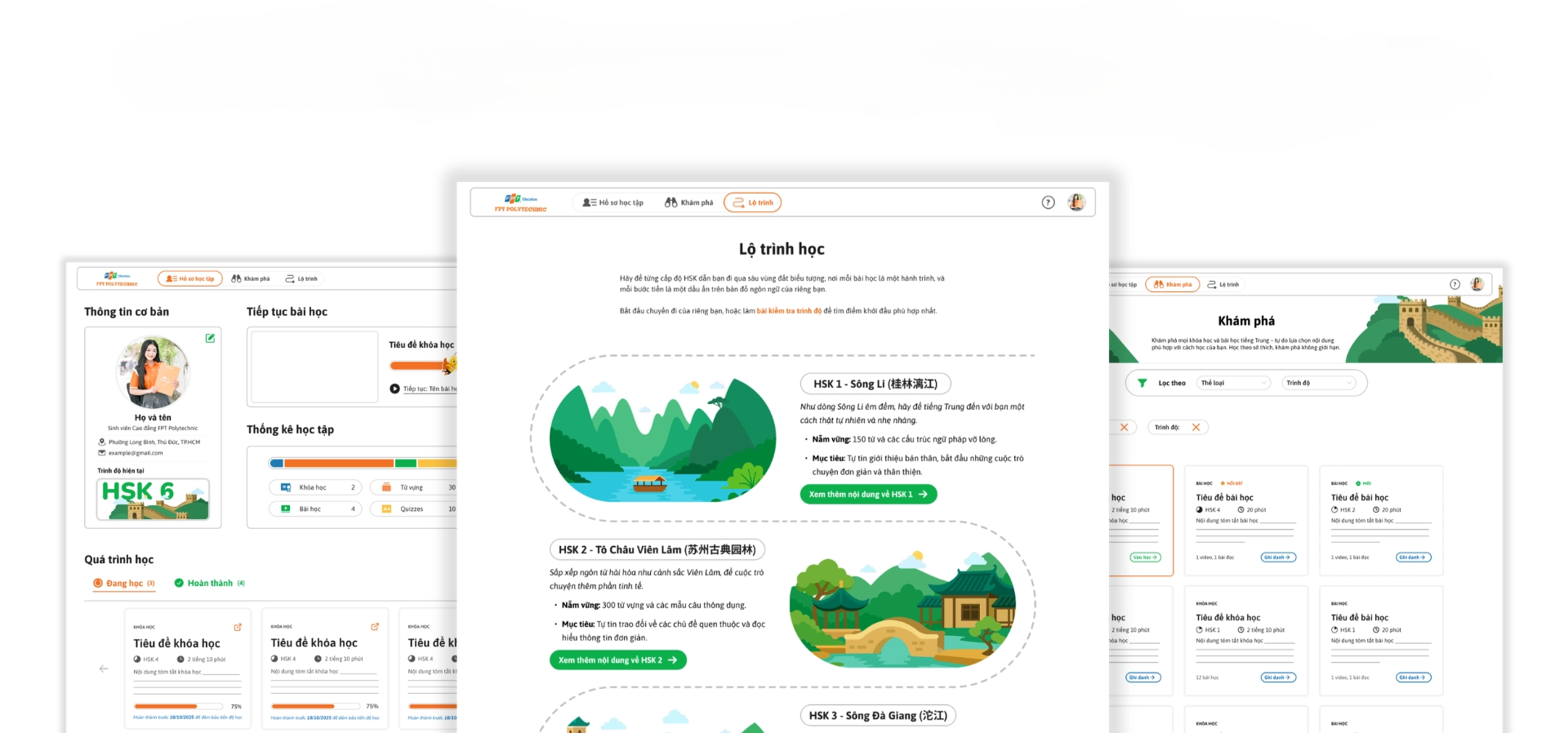
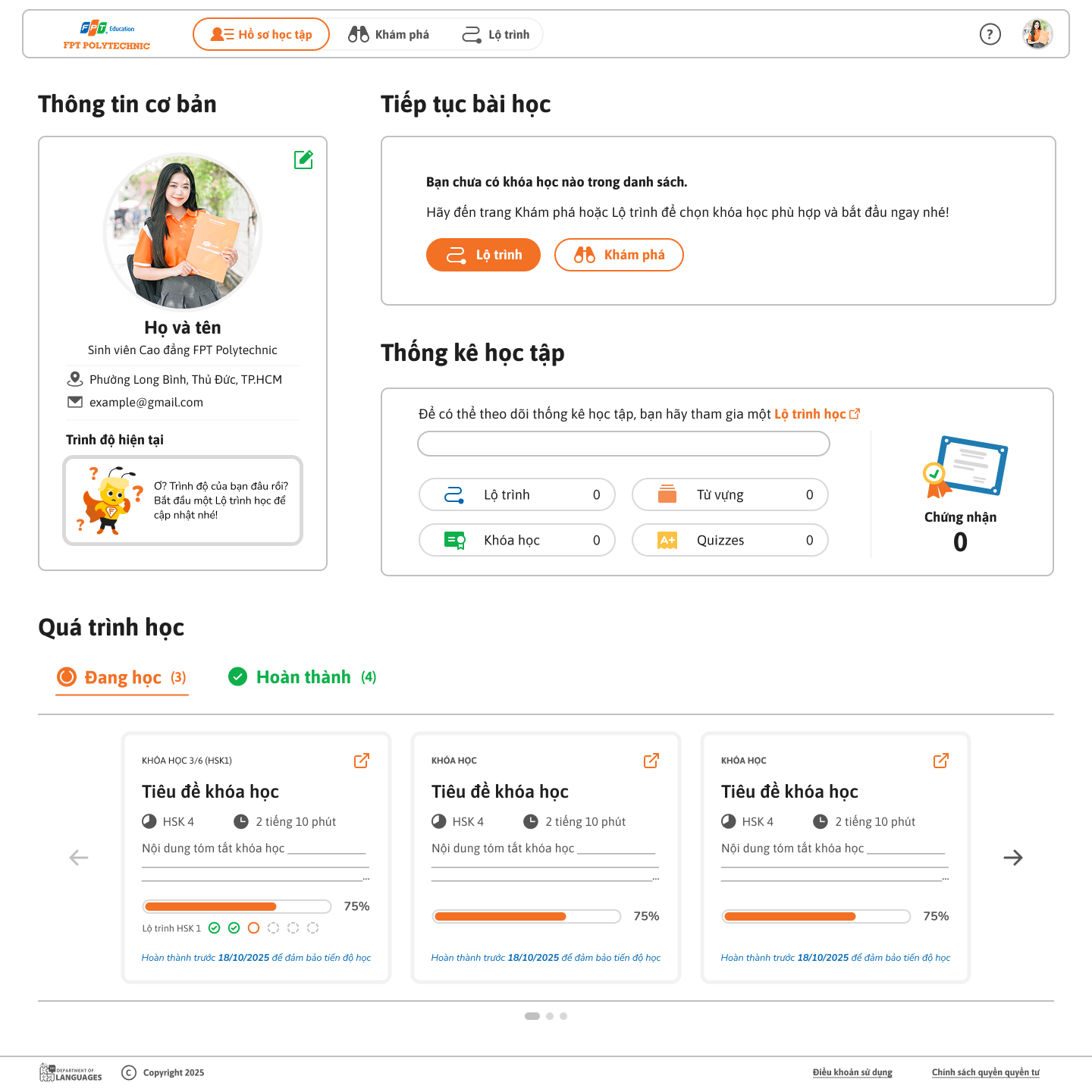
Progress Tracking Dashboards: Built personalized user profiles that clearly visualize course enrollment status, completion percentages, and historical quiz scores, driving user retention through clear gamified progress metrics.
Node-Based Visual Roadmaps: Transformed dense, multi-level Chinese curriculums into highly intuitive, step-by-step visual roadmaps. By breaking down complex HSK levels into bite-sized, sequential milestones (nodes), the UI effectively reduces cognitive overload. This architectural decision provides learners with a clear sense of progression and direction, significantly lowering the platform's drop-off rate.
.png)
Complex Data Structuring & Modularity: Designed highly interactive learning components, most notably the Flashcard system. I structured the visual hierarchy to neatly display Hanzi, Pinyin, localized meanings, and contextual examples, ensuring these modules are 100% responsive for tablet and mobile learners.
.png)
SEO-Driven UI & Typography: Addressed the unique challenges of Chinese language web design by optimizing font rendering and layout stability. I established a clear Semantic HTML heading structure within the UI files, empowering the engineering team to easily implement meta tags, sitemaps, and URL structures for the client's future Technical SEO campaigns.
Key Outcome
Successfully delivered a scalable, high-fidelity UI architecture that satisfied the enterprise client's strict B2B requirements. The design not only resolved complex user journey bottlenecks but also established a robust, crawler-friendly foundation for the platform's future technical expansions.
.png)